Choosing the Right Gear for Easy Trails
What to wear, what to bring, and why proper footwear matters more than you'd think. Get the fundamentals right first.
Know the common hazards, how to prevent falls, what to do if weather changes, and when to turn back. Your health comes first.

Walking the Slieve Bloom trails is one of the best things you can do for your health. Fresh air, gentle exercise, stunning views — it's all there. But here's the thing: you've got to be smart about it. Most accidents on trails aren't dramatic. They're small slips, unexpected weather, or pushing a bit too hard. We're going to walk you through what to watch for, how to prevent problems, and what to do if something doesn't feel right.
Loose rocks, tree roots, and muddy patches are the usual culprits. They're not dramatic, but they're slippery. Most falls happen on the descent — gravity's working against you, and you're tired. The good news? You can spot most hazards if you're paying attention.
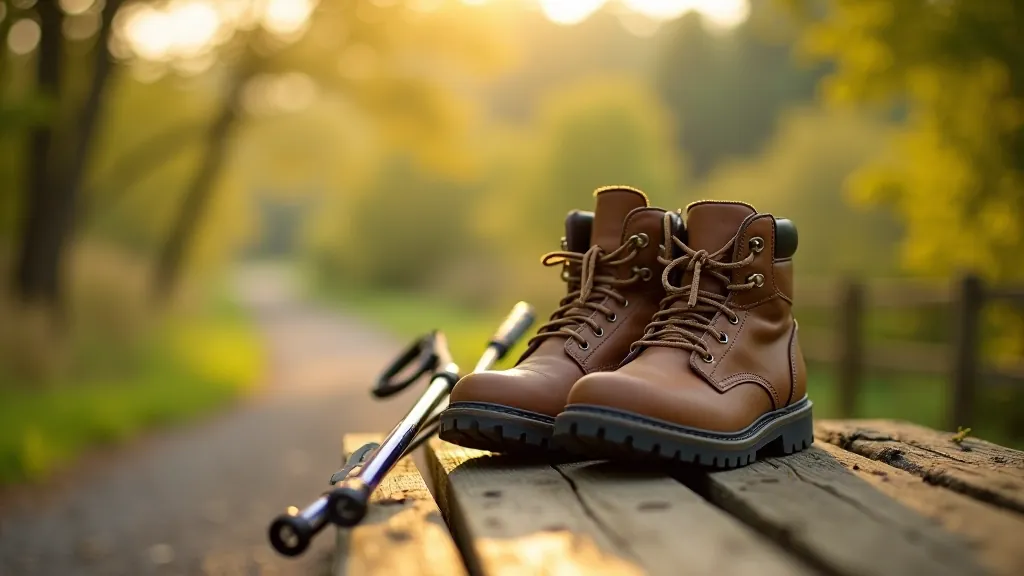
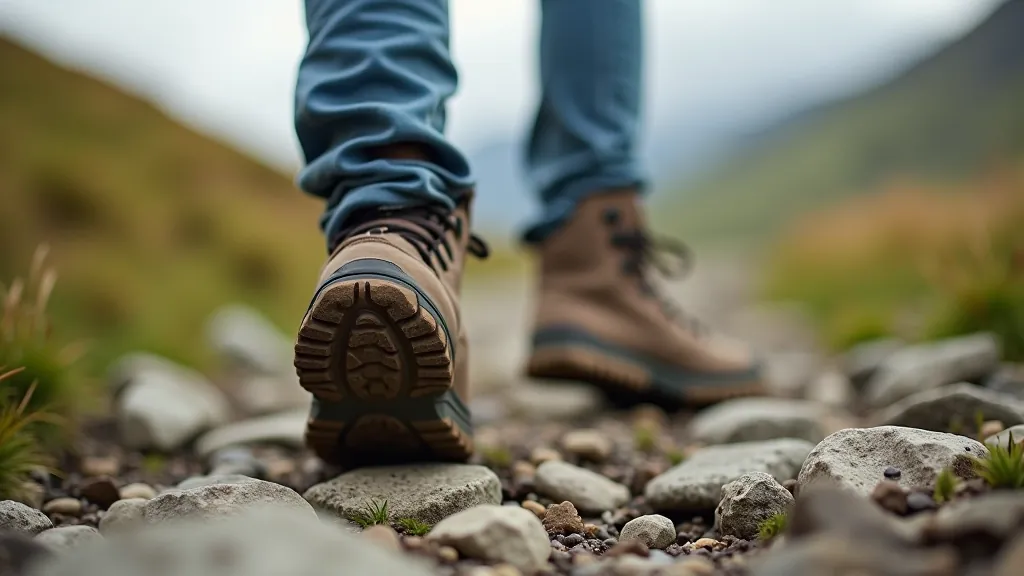
Look ahead about 10 feet. Don't stare at your feet constantly — you'll lose your footing. Instead, scan ahead, then look down as you step. On wet days, rocks and roots become treacherous. Slow down. There's no prize for speed. Wear boots with proper grip — trail shoes work, but boots give you ankle support that makes a real difference.
If you're feeling unsteady on steep sections, use the three-point contact rule: two hands and one foot, or two feet and one hand always touching the ground or a sturdy object. Trekking poles help with this tremendously.
Ireland's weather isn't dramatic — it's sneaky. You leave in drizzle, and suddenly you're in proper rain. Temperature drops, wind picks up, and visibility goes down. On high trails like Slieve Bloom, weather changes in minutes, not hours.
Check the forecast before you go. But don't trust it completely. Bring a lightweight waterproof jacket even if it's not predicted. Wind matters more than rain — strong wind throws off your balance, especially on exposed ridges. If you're on an exposed section and the wind's picking up, consider turning back. There's no shame in that. You can come back another day.
Plan your hike so you're back at your car 2 hours before sunset. This gives you a safety buffer if you move slower than expected or need to stop frequently. Daylight disappears fast in winter.
Your legs know when they're tired. Don't ignore that feeling. Fatigue is when mistakes happen — when you stop watching your step, when you push too hard on descents, when you make poor decisions. We've all done it. You feel good at the start, so you go too fast. Then halfway back, you're exhausted.
Take breaks before you need them. Sit down, have some water and a snack. A proper snack matters — something with carbs and a bit of protein. Energy bars, sandwiches, fruit. Don't wait until you're dizzy or shaky. If you're feeling genuinely tired, cut the hike short. Feeling weak or dizzy? Sit down immediately, rest, and consider heading back slowly. Don't push through.
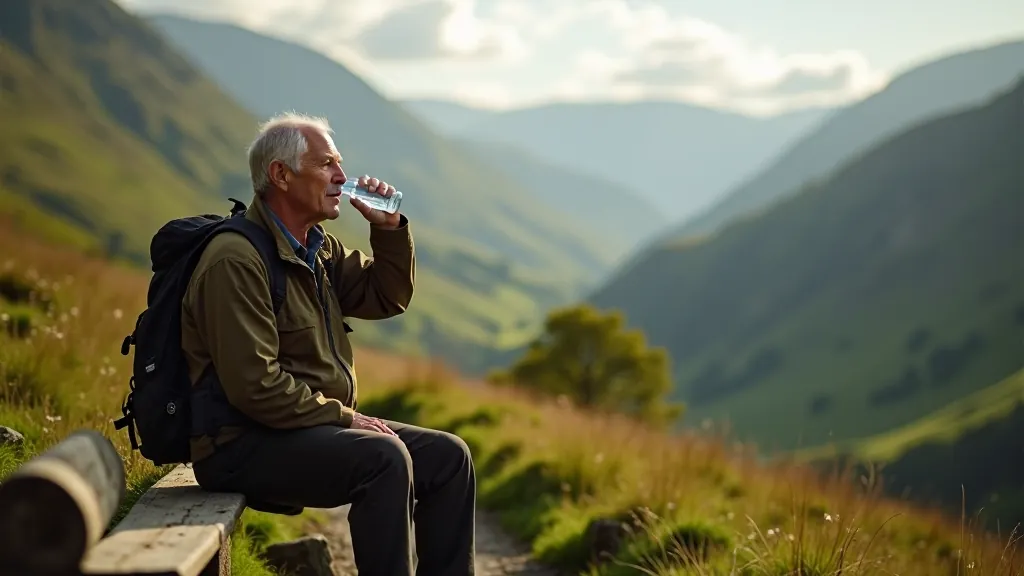
Bring at least 2 litres of water. Drink regularly — about every 20-30 minutes. Don't wait until you're thirsty. Thirst is already a sign you're getting dehydrated. On warm days or steep hikes, bring more water. Dehydration makes everything worse: fatigue, dizziness, poor judgment.
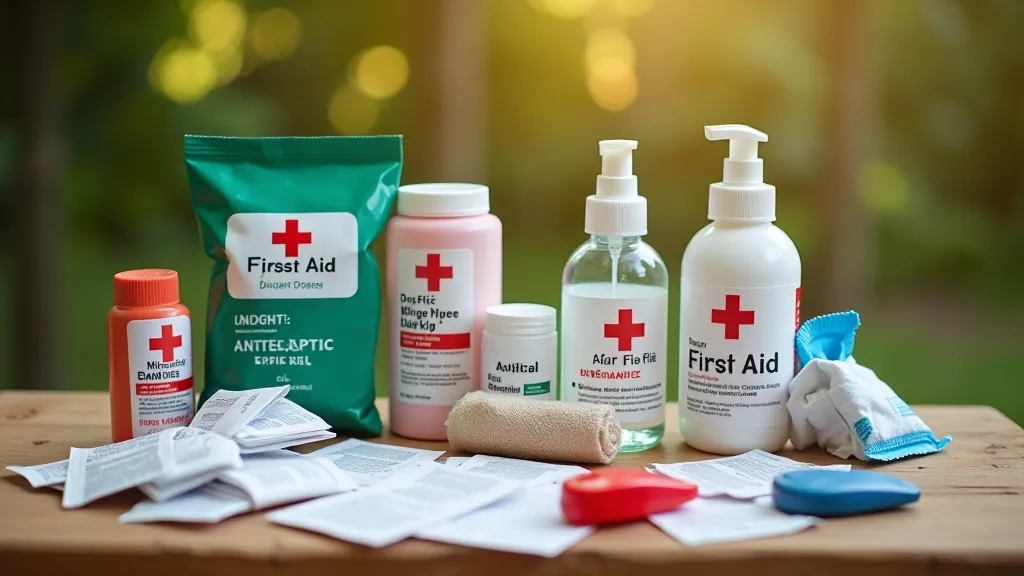
You don't need much, but what you carry matters. A small rucksack with water, snacks, a basic first aid kit, and a whistle. That's your foundation. Add a lightweight waterproof, a hat for sun protection, and sun cream. Trekking poles take weight off your knees — especially valuable on descents.
Wear a high-visibility layer or pack one. If something goes wrong and you need to stay put, visibility matters. Tell someone where you're going and when you'll be back. Give them a rough itinerary. If you don't check in by a certain time, they'll know something's wrong. A mobile phone is essential, though signal can be spotty on high trails. Don't rely on it completely.
Safety on the trail isn't about fear — it's about preparation and awareness. You're not being paranoid by checking the weather or carrying extra water. You're being smart. Most experienced hikers have had near-misses. They've learned from them. You don't have to. Learn from their experience instead.
Start with easier trails. Build your fitness and confidence gradually. Don't compare yourself to others. You're hiking for your health and enjoyment — not to prove anything. The best hike is one where you feel good, you're safe, and you want to come back next week. That's success.
This article is for educational and informational purposes only. It's not a substitute for professional medical advice or guidance from qualified mountain leaders. Everyone's fitness level and health circumstances are different. If you have existing health conditions, joint problems, or concerns about hiking, consult your GP before starting any trail walking programme. Weather conditions change rapidly in mountain environments — always check local forecasts and trail conditions before heading out. Trail difficulty ratings can vary based on individual fitness and experience.