
Finding Hiking Communities and Group Walks
You don't have to hike alone. We've found local groups, meetup times, and organized walks that welcome people at all fitness levels.

The Joy of Walking Together
Hiking becomes something special when you're sharing it with others. Whether you're looking for structured group walks, casual meetups, or organized clubs, there's a community waiting for you. The Slieve Bloom area has grown into a real hub for outdoor walking — clubs meet regularly, tourist offices coordinate group outings, and local volunteers lead walks designed specifically for people at different fitness levels.
We've talked to dozens of hikers, checked local tourism boards, and visited groups ourselves. Here's what we've found about joining a hiking community and making walking part of your regular routine.
Where to Find Local Groups
The easiest starting point? Check with the local tourist information centre. They maintain lists of organized walks — some happen weekly, others monthly. Tourist centres in Birr and Kinnitty both coordinate guided walks through Slieve Bloom, typically on Saturday mornings.
Facebook groups are huge for this. Search "Slieve Bloom hiking" or "walking groups [your townland]" and you'll find active communities. Most groups post walk details — distance, difficulty, meeting time — a week or two in advance. You don't need to be a regular; people drop in for individual walks all the time.
Quick Search Tips
- Local council tourism pages often list organized walks
- Search Facebook for "[Your area] walking group" or "ramblers"
- Meetup.com has several active groups in the Midlands
- Ask at visitor centres about upcoming group hikes
What to Expect From Group Walks
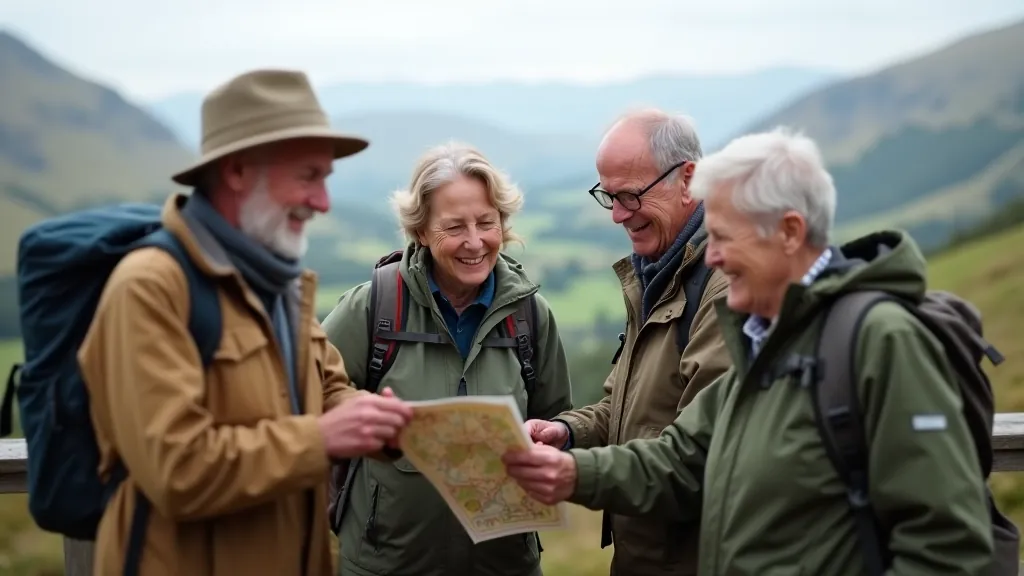
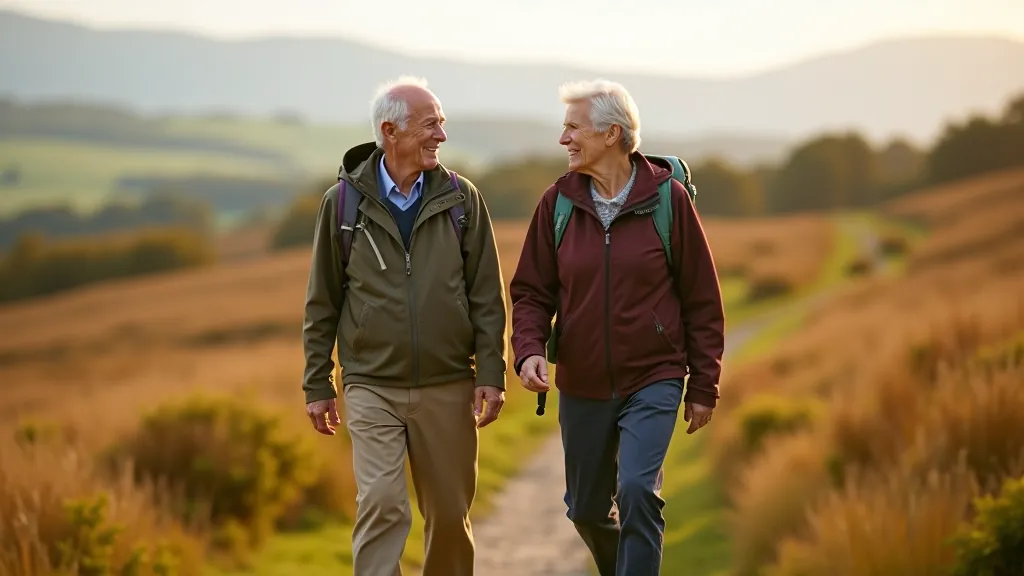
Groups vary a lot. Some are informal — just people meeting at a car park and walking together. Others are organized through walking clubs with designated leaders. Most welcome newcomers without any fuss. You'll usually find out the meeting point, start time (often 10 AM on weekends), and the general route beforehand.
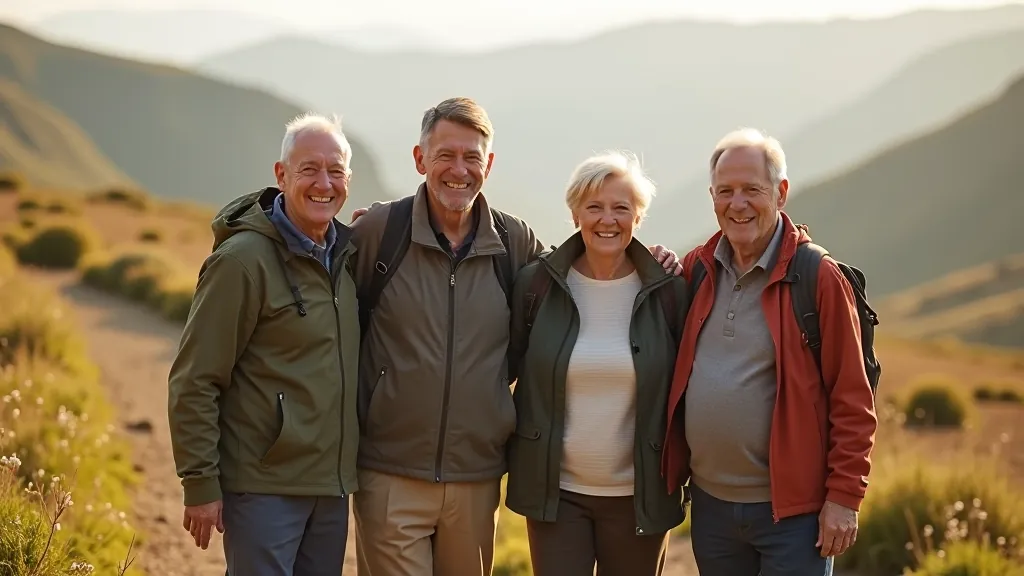
Pace is rarely aggressive. Leaders will know the group includes mixed abilities, so it's usually a steady walk with occasional stops to catch breath or enjoy the view. You'll meet people at similar life stages — parents with young kids, retirees, people recovering from illness, folks just looking to stay active. The social side often matters as much as the walking itself.
Built-in Motivation
Knowing others are counting on you to show up makes it easier to actually go.
Safety in Numbers
Walking with others means help is nearby if anyone has difficulty.
New Routes
Group leaders know trails you might never discover on your own.
Types of Walking Groups You'll Find
Not all groups are the same. Understanding the different types helps you pick what fits your style.
1. Informal Meetup Groups
People gather on Facebook or WhatsApp to organize walks. No membership, no fee, just "meeting at Glendine car park Saturday 10 AM." Great for flexibility — join when you want, skip when you can't.
2. Organized Walking Clubs
These have regular schedules, trained leaders, and sometimes small fees (€5-10 per walk or yearly membership). You get planned routes, someone who knows the area well, and a consistent group.
3. Tourism-Led Guided Walks
Tourist boards and visitor centres run scheduled guided walks, often free or very cheap. These tend to be shorter, more focused on specific attractions, and great for learning local history.
4. Charity and Community Walks
Local charities sometimes organize group walks for fundraising. You're walking for a cause while building community — and usually refreshments are included at the end.
Getting Started: Your First Group Walk
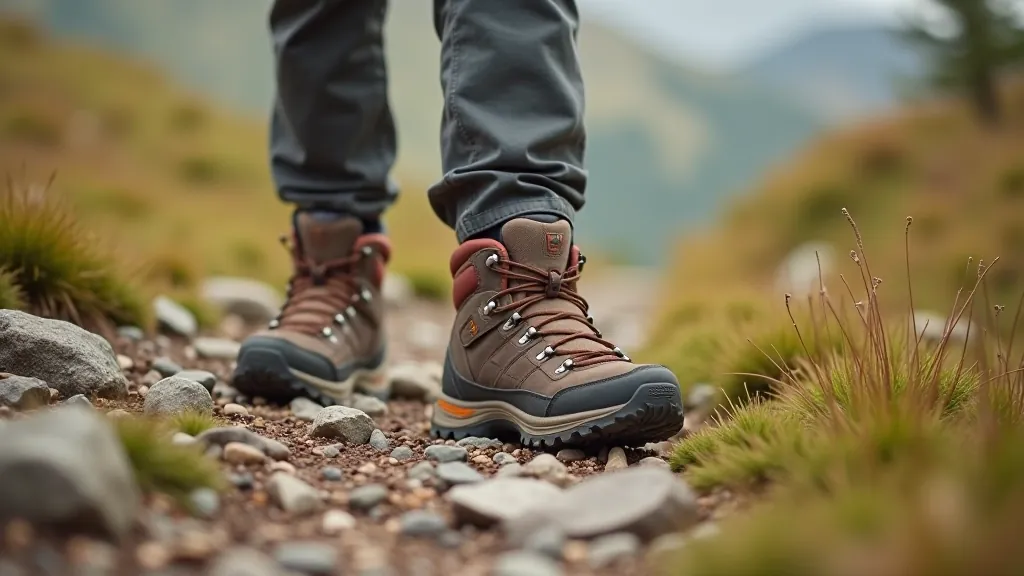
Nervous about joining? That's completely normal. Here's how to make it easy on yourself.
1
Pick Your First Group
Start with something that matches your pace and distance comfort. If you're new to walking, choose a group known for shorter, gentler walks rather than ambitious hikes.
2
Arrive Early
Show up 10-15 minutes before the start. This gives you time to chat with the organizer, learn the route, and not feel rushed.
3
Tell Someone the Route
Before you go, text a friend or family member where you'll be walking. Most groups have this handled, but it's good practice anyway.
4
Walk at Your Own Pace
You don't have to keep up with the fastest person. Walking with a group doesn't mean speed — it means community. Most groups have people who pair up and walk at similar speeds.
Making Real Connections
Here's something people don't always mention: the friendships that develop are real. You're walking together regularly, seeing the same faces, sharing stories about the trail and life. Some of our best friendships have come from regular walking groups.
"I joined the Saturday morning group three years ago because I wanted the exercise. I stayed because of the people. We don't just walk — we catch up, we laugh, we know what's happening in each other's lives. It's the social part that keeps me coming back."— Margaret, 68
Groups also create accountability in the best way. When you know people are expecting you, you're more likely to show up even on a rainy Tuesday. That consistency — the regular habit — is what builds real fitness gains.
Online Resources for Finding Groups
Digital tools make it easier than ever to find people who want to walk.
Facebook Groups
Search your area plus "walking" or "hiking." Most active groups post walks weekly with details and discussion.
Meetup.com
Browse walking groups by location. You can filter by distance, difficulty, and group size.
Local Tourist Websites
Birr and Kinnitty tourism sites list organized walks and contact info for local guides.
WhatsApp & Local Apps
Community message groups often organize impromptu walks. Ask at local shops or pubs for group invites.
Your Community is Waiting
Finding a hiking community doesn't require complicated planning. Start with one group, see how it feels, and try another if it doesn't click. You'll quickly discover what pace and vibe suit you. Whether you're looking for serious hillwalkers, casual weekend strollers, or something in between, there's a group ready to welcome you.
The Slieve Bloom area has real depth of community — people who've been walking these trails for decades and newcomers discovering them for the first time. You'll fit right in.
Important Notice
This article provides educational information about hiking communities and group walks. While group walking offers social and health benefits, individual circumstances vary. Always assess your own fitness level before joining a group, start with shorter distances if new to walking, and consult a healthcare provider if you have health concerns. Group walk leaders are not medical professionals. You're responsible for your own safety and wellbeing on any trail. Weather and trail conditions change — always check conditions before heading out and bring appropriate gear for your location.