Planning Your Hike: Distance, Pace, and Rest Stops
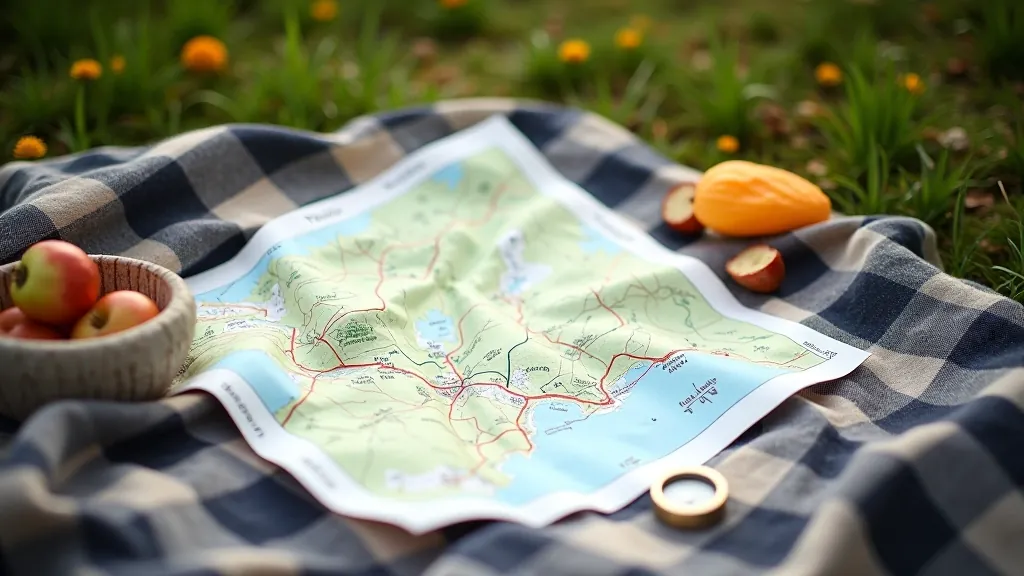
How to pick a trail that matches your fitness level. We'll show you how to read trail guides, estimate walking times, and plan rest stops.
Read MoreWhat to wear, what to bring, and why proper footwear matters more than you'd think. We cover boots, walking poles, and hydration basics.
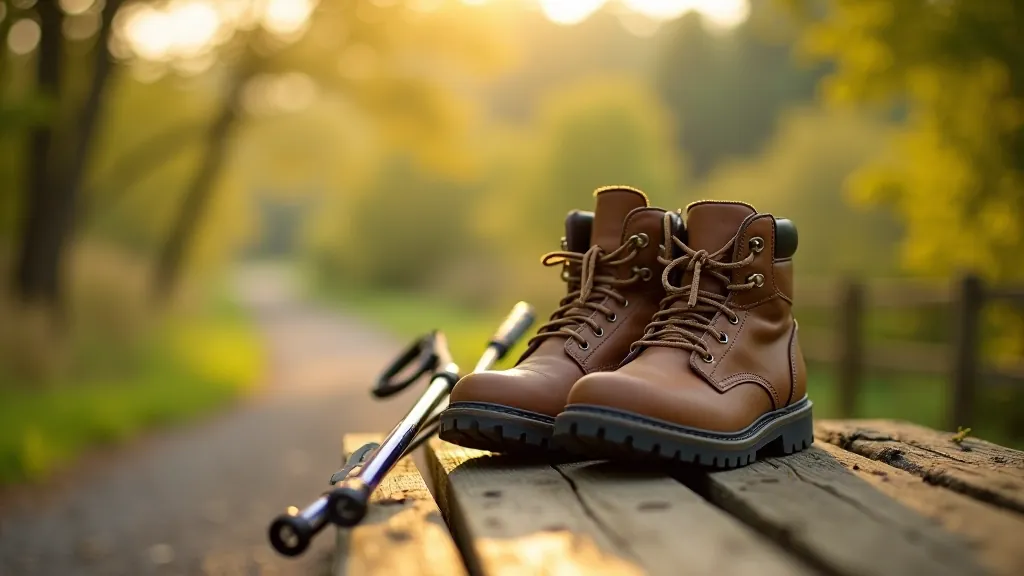

Getting geared up for hiking doesn't mean spending hundreds of euros or loading yourself down with unnecessary kit. It's about making smart choices that keep you comfortable, safe, and actually enjoying yourself on the trail. We're talking proper footwear, a few essential accessories, and understanding what you actually need versus what's just nice to have.
The difference between a great day on the hills and a frustrating one often comes down to small details. Your feet will thank you for good boots. Your knees will thank you for trekking poles. Your energy levels will thank you for staying hydrated. Let's break down the gear that matters for easy trails.
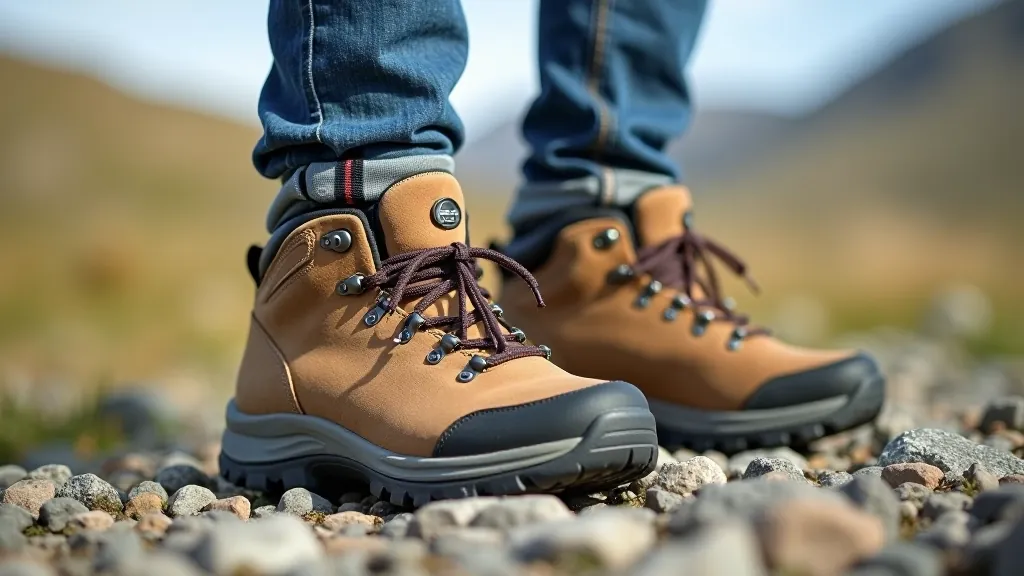
Here's the thing about boots — they're not an afterthought. You'll spend the entire hike standing on them, so getting this right is non-negotiable. A decent hiking boot should have ankle support to prevent rolling on uneven ground, a cushioned midsole to absorb shock, and a grippy sole that won't slip on wet rocks or muddy patches.
Look for boots with waterproofing. You don't need them to be completely waterproof — that traps moisture — but a water-resistant treatment keeps your feet dry during light rain or dewy grass. Weigh matters too. Heavy boots tire your legs faster. A decent pair should clock in around 400-500 grams per boot for women's sizes, slightly more for men's. Try them on in the afternoon when your feet are slightly swollen (like they'll be after a few hours of hiking). You'll want a thumb's width of space between your longest toe and the boot end.
Break them in properly. Wear them on short walks first, not on your first serious hike. Blisters ruin everything.
Good socks matter. Merino wool or synthetic blends that wick moisture. Cotton holds sweat and causes friction.
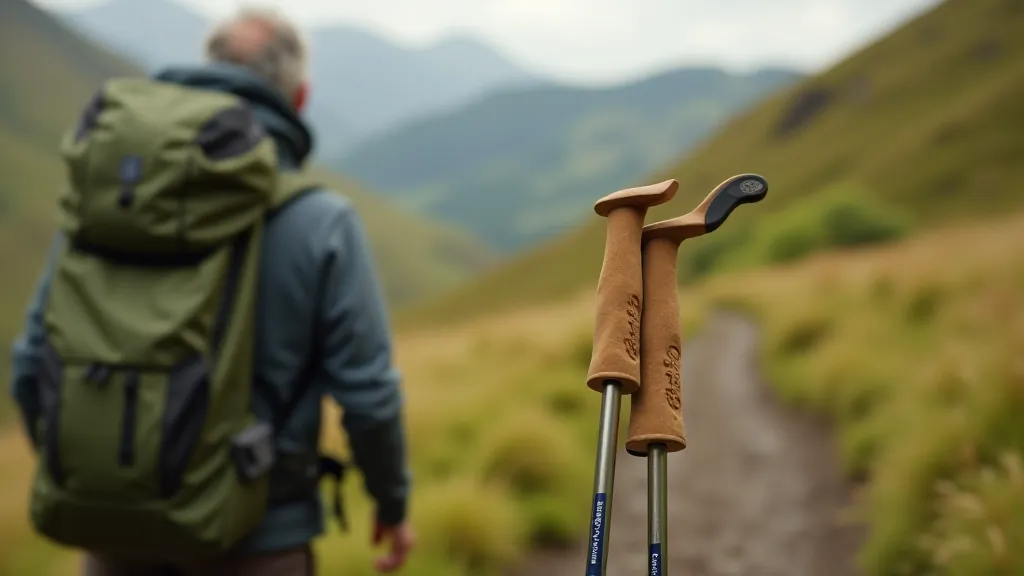
If you're over 55 and doing any significant walking, trekking poles aren't luxury — they're practical sense. They reduce the impact on your knees by 25-30% on downhill sections. That's the difference between feeling great at the end of the day and hobbling back to the car.
You'll want adjustable poles so you can shorten them going downhill (reduces strain) and lengthen them going uphill (helps you push yourself forward). Weight matters. Look for aluminum poles around 200-250 grams each. Carbon fibre is lighter but pricier. The grip should be comfortable — cork absorbs sweat and feels natural in your hand, while foam grips are more affordable. Poles should reach somewhere between your wrist and elbow when you're standing on flat ground with arms relaxed.
Don't underestimate the stability they give on technical sections. A good walking pole plant gives you three points of contact instead of two, especially valuable on steep or rocky bits.
Dehydration creeps up on you. You don't realize you're thirsty until you're already feeling the effects — headache, fatigue, muscle cramps. For a 2-3 hour hike, you'll want at least 1-1.5 litres of water capacity, though you don't need to carry it all at once if there are streams along your route.
A hydration pack (backpack with an integrated water bladder and drinking tube) is genuinely convenient. You can sip without stopping. A traditional water bottle works fine too, especially if you're taking regular breaks anyway. Insulated bottles keep water cool in summer, though they add weight. For easy trails, a lightweight 750ml bottle that you refill at the midpoint is often all you need.
Pro tip: Drink before you feel thirsty. By the time you notice thirst, you're already slightly dehydrated. Sip regularly throughout your walk rather than chugging at the end.
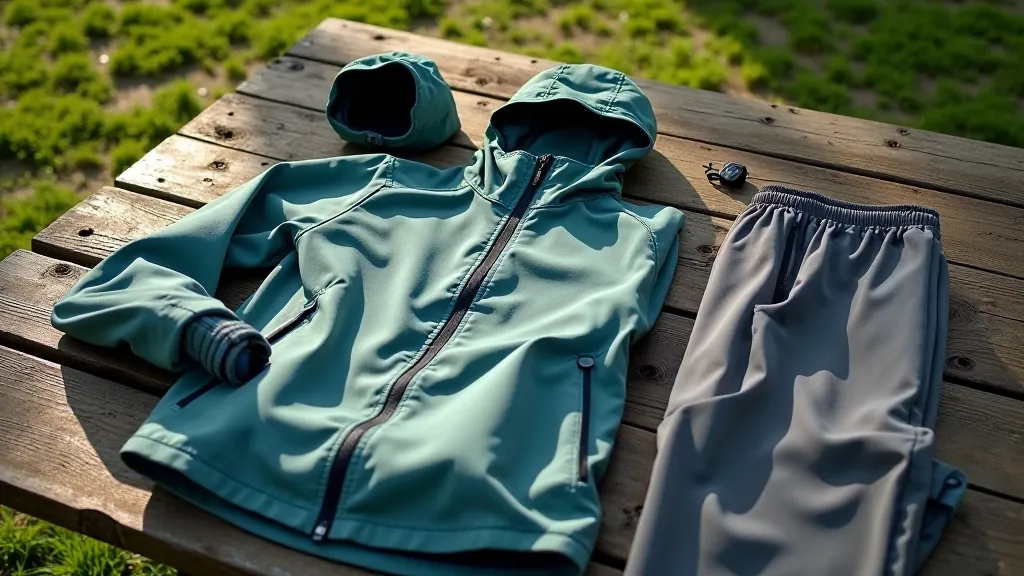
The three-layer system works. Base layer (merino wool or synthetic to wick moisture away from your skin), insulating middle layer (fleece or lightweight down), and wind-resistant outer shell. You'll adjust as you warm up and cool down throughout your hike.
Don't wear cotton. It holds moisture, dries slowly, and loses insulating properties when wet. Your base layer should be merino wool or a synthetic like polyester or nylon. Merino is fantastic — it regulates temperature, resists odour, and feels nice against skin. Trousers should be comfortable and allow freedom of movement. Many hikers prefer lightweight hiking trousers over jeans because they dry faster and stretch easier.
A lightweight windproof jacket takes almost no space in your pack but makes a huge difference if weather turns. Pack a small beanie or sun hat too. You lose significant heat through your head, and sun protection for your face matters on exposed trails.
UV exposure adds up quickly at elevation. Reapply every couple of hours, especially on exposed sections. SPF 30 minimum. A lip balm with SPF prevents painful sunburned lips.
Blister treatment, antihistamine for insect bites, pain reliever, and adhesive plasters. You won't need much, but you'll be grateful if you do.
Trail mix, energy bars, or fruit. Your body burns calories on the trail. A small snack prevents energy crashes and keeps mood positive.
Even on short daytime hikes. If you're delayed or turn back later than planned, you'll want light. Modern LED headlamps weigh almost nothing.
The best gear is the stuff you'll actually use and won't regret carrying. Start with the essentials — good boots, trekking poles, water, and appropriate layers. Everything else is refinement based on your own experience.
You don't need to spend a fortune. Mid-range gear from established outdoor brands is reliable and affordable. The investment in good boots and poles pays dividends every single time you're on the trail. Your joints will feel it. Your confidence will improve. And honestly, you'll enjoy the whole experience more when you're not uncomfortable.
Get properly equipped, and you're not just ready for easy trails — you're set up to explore them comfortably, safely, and with genuine enjoyment. That's what it's all about.
This article is informational and educational in nature. It provides general guidance about hiking gear selection based on common practices for easy trails. Everyone's fitness level, physical condition, and comfort needs differ. Before beginning any new hiking activity, especially if you have existing health concerns or mobility limitations, consult with your doctor or a healthcare professional. Hiking on trails involves inherent risks including falls, weather changes, and physical exertion. Always hike with appropriate preparation, awareness of your surroundings, and within your comfort zone. The author and website accept no liability for injuries or outcomes from following this guidance.