Choosing the Right Gear for Easy Trails
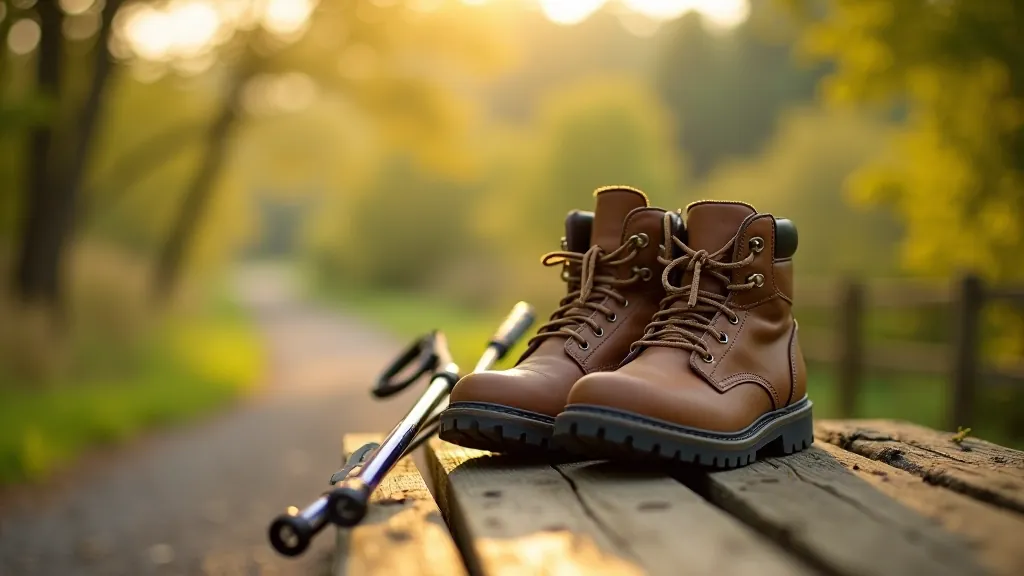
What to wear, what to bring, and why proper footwear matters more than you'd think.
Read Article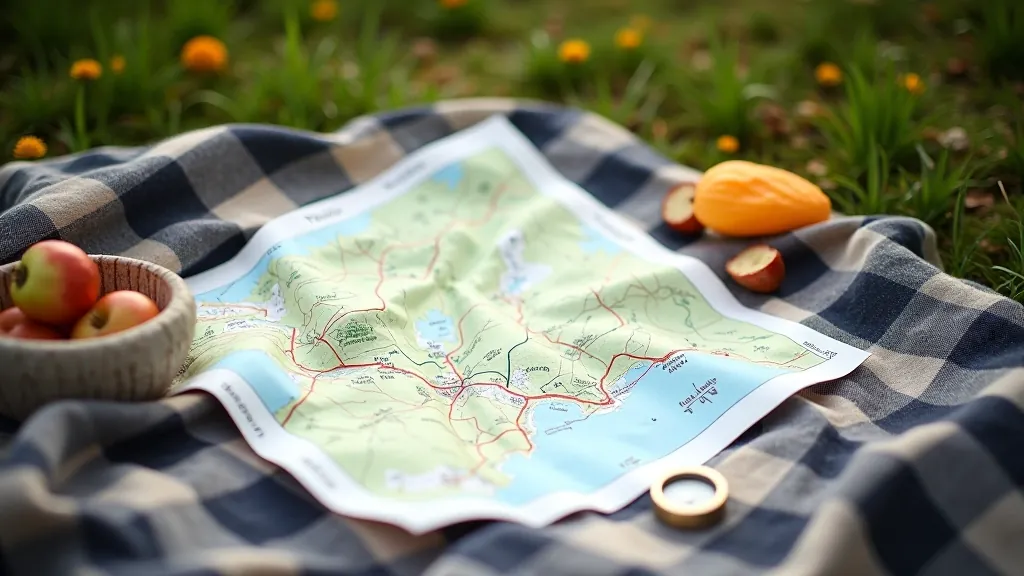
How to pick a trail that matches your fitness level and plan realistic timings

There's no such thing as a "standard" hike distance. What matters is matching the trail to your current fitness level and how you're feeling on the day. Some folks thrive on 8-kilometre loops through open moorland. Others prefer 3-kilometre walks with plenty of spots to stop and take in the views.
We're not talking about pushing yourself to exhaustion. We're talking about picking trails where you'll actually enjoy the experience. That means reading difficulty ratings carefully, understanding what your pace really is (not what you think it should be), and knowing where the good rest spots are.
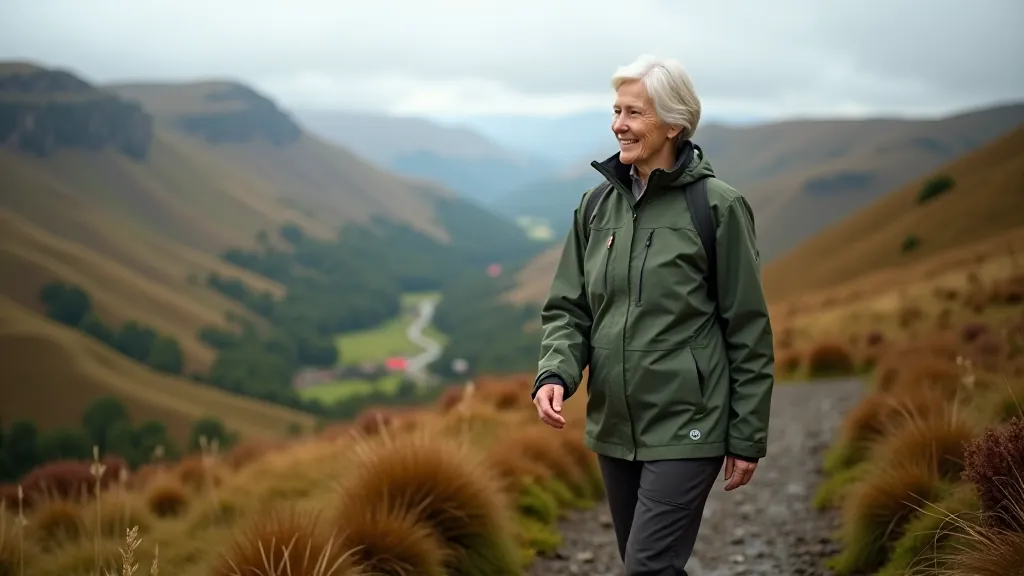
Trail difficulty ratings aren't always intuitive. A trail marked "moderate" might have steep sections but be short. Another "easy" trail could be long and flat but muddy underfoot. You've got to look beyond the label.
Don't rely on time estimates from guidebooks. They're often written for people in their 30s walking at pace. Instead, calculate your own timing based on your actual walking speed — something we'll cover next.
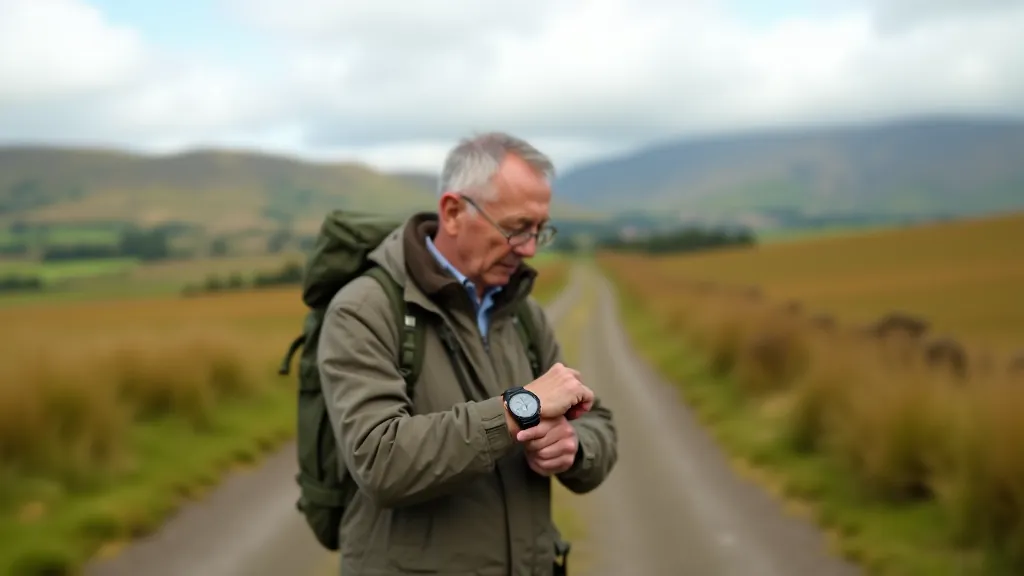
Your walking pace isn't something you guess at. You'll need to test it on a known distance. Find a flat kilometre (many country paths are marked), time yourself walking it at a comfortable speed — one where you could hold a conversation — and note how long it took.
Most people walk between 4 and 5 kilometres per hour on flat ground. Once you add hills, that slows considerably. A 3% incline might drop you to 3.5 kph. Steeper sections could bring you down to 2 kph or less. Don't fight this. Building your planning around realistic numbers is what keeps hiking enjoyable.
Simple timing formula: Walk time = distance (km) ÷ pace (kph) + 30 minutes for every 300m of elevation gain
Here's the thing about rest stops — they're not just nice to have. They're essential. A well-timed break refreshes your legs, gives your knees a break, and makes the whole experience better. You're not trying to "power through." You're out there to enjoy yourself.
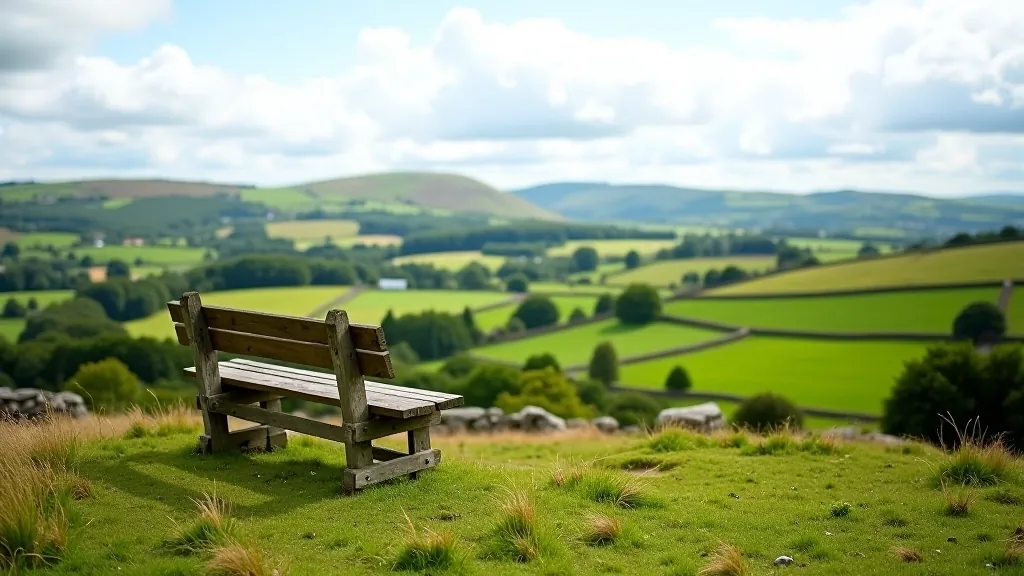
Before you set out, identify where you can actually rest. Good spots have benches (or flat rocks), some shade, and ideally water or shelter. Don't assume you'll find them. Download a map on your phone, mark the spots, and plan your route around them. If a trail doesn't have decent rest stops every 1.5 to 2 kilometres, consider a different route.
Pick a route with detailed information — not just a name. Know the exact distance, elevation gain, and what the surface is like. Read recent reviews.
Use your tested walking pace plus 30 minutes for every 300m of climbing. Add buffer time for photos, wildlife watching, and just enjoying the moment.
Identify where you'll actually rest. Plan your route so you're never more than 2 kilometres from a decent stopping point.
Bring water, snacks, weather protection, and a small first-aid kit. Weight matters less than having what you actually need.
The best hikes aren't the longest ones or the most challenging. They're the ones you actually enjoy and want to do again. That means being honest about your fitness, realistic about timing, and generous with yourself about rest. Plan properly, and you'll have time to notice the view.
Your first properly planned hike might feel different from what you've done before. You're taking time to understand the route, being realistic about pace, and building in proper breaks. That's exactly right. You're not rushing. You're hiking in a way that suits you — and that's when the countryside really opens up.
Once you've done a couple of well-planned hikes, you'll develop a feel for what works for your body and your pace. You'll know how long breaks you need, how much climbing you enjoy, and what kind of terrain feels good underfoot. That knowledge is worth more than any guidebook because it's based on you, not on someone else's assumptions.
This article provides general guidance on hiking planning and is intended for educational purposes. Individual fitness levels, health conditions, and abilities vary significantly. Always consult your healthcare provider before beginning any new physical activity, especially if you have existing health concerns. Trail conditions change seasonally and after weather events — always check current conditions before setting out. Weather in Ireland can change rapidly; bring appropriate protective clothing regardless of forecasts. If you're new to hiking or returning after time away, consider walking with an experienced friend or joining a local hiking group for your first outings.